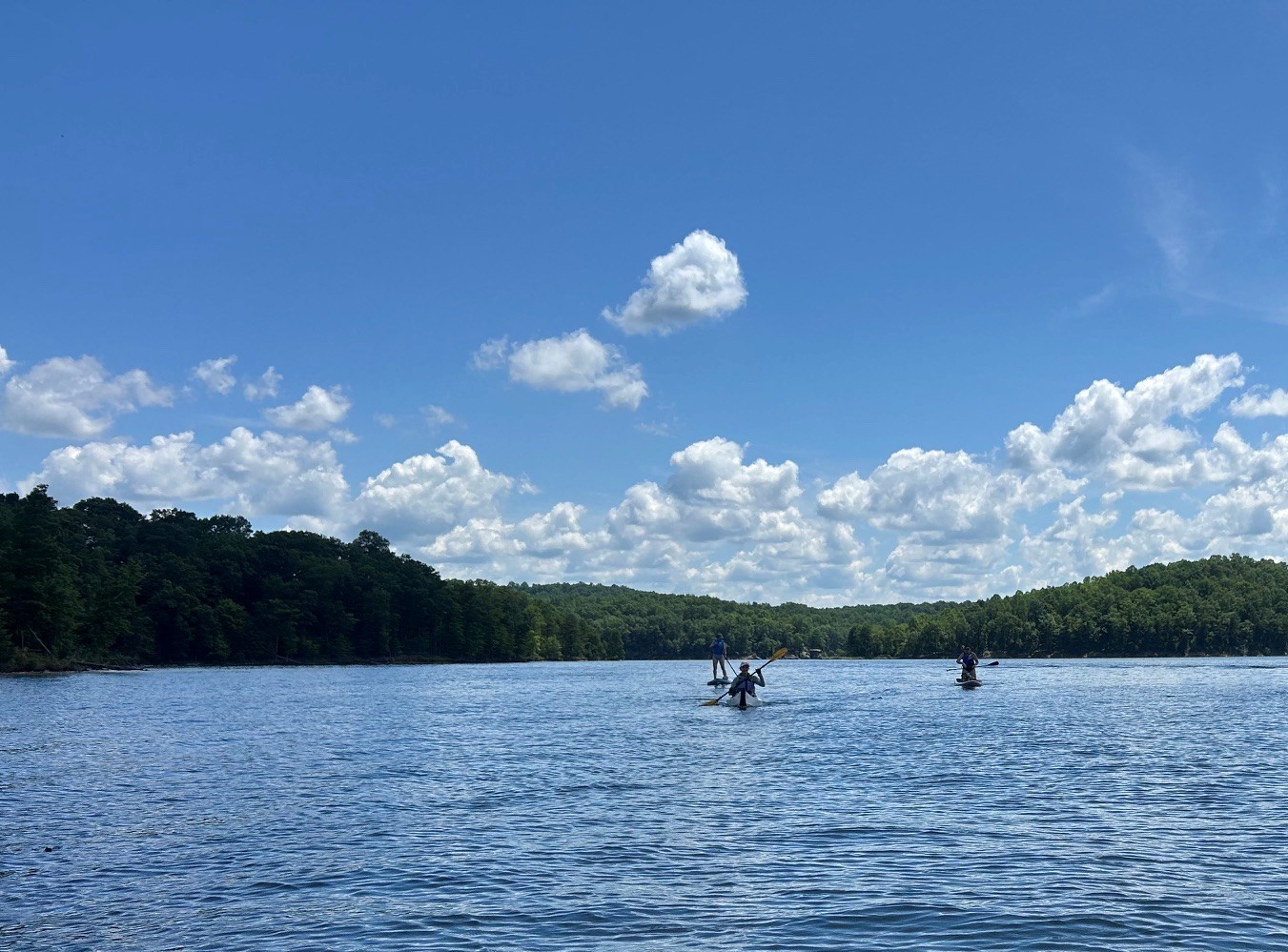
Before you head out to paddle, fish, or relax by the river, checking water quality data the same way you check the weather can help you make responsible recreation decisions.
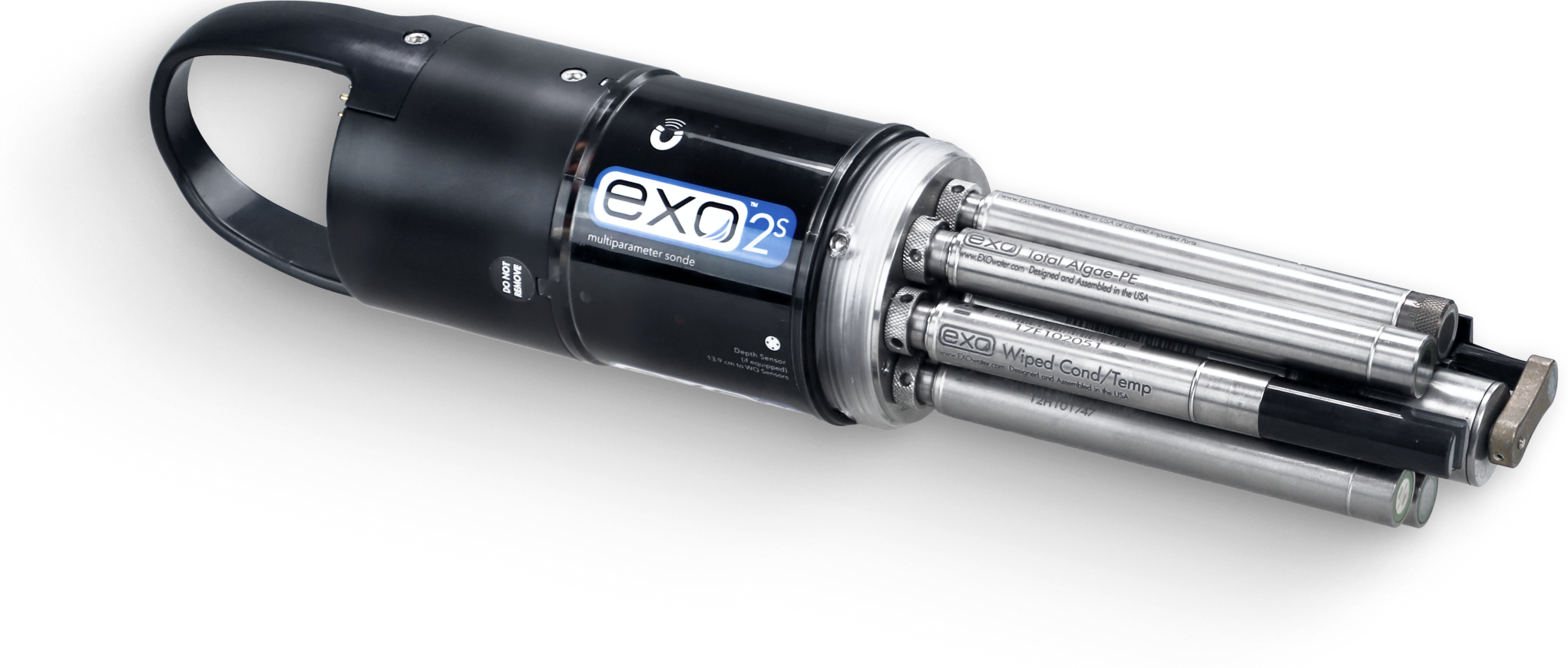
Water quality data can give you a clearer picture of potential bacteria, pollution, algae, or other conditions that may affect your health, your pets, and your overall experience while on the water.
The list below highlights what common water quality data is telling you about water health and what it could mean for recreating on or near the water.
It should be noted that these are general guidelines, and caution is always recommended when recreating on or near waterways especially for children, pets and anyone who is immunocompromised.
Turbidity: Can You See Clearly?
Turbidity measures how cloudy the water is due to particles like sediment or organic matter.
What it means for recreation:
- High turbidity - can hide hazards (rocks, debris) and carry bacteria and other pollutants
- Lower turbidity - clearer, generally safer conditions
Water Temperature: More Than Just Comfort
Water temperature affects both your experience and water safety. Warmer water holds less dissolved oxygen and can accelerate algal growth.
What it means for recreation:
- Warm water - higher likelihood of algae blooms and bacterial activity
- Sudden cold water - risk of cold shock if you fall into the water
Dissolved Oxygen (DO): Ecosystem Health Indicator
Dissolved oxygen reflects how much oxygen is available for aquatic life.
What it means for recreation:
- Low DO can signal pollution or stagnant conditions, stressed fish populations and excessive bacterial growth that is using available oxygen in the water.
- Healthy oxygen levels usually correlate with better overall water quality
pH: Balance Matters
pH measures how acidic or basic the water is, with most aquatic life thriving in a moderate range. Safe recreational water should fall between 6.5 and 8.5.
What it means for recreation:
- Extreme pH levels can indicate contamination and lead to skin and eye irritation
- Balanced pH - healthier ecosystem conditions
Phycocyanin & Chlorophyll: Watch for Harmful Algae
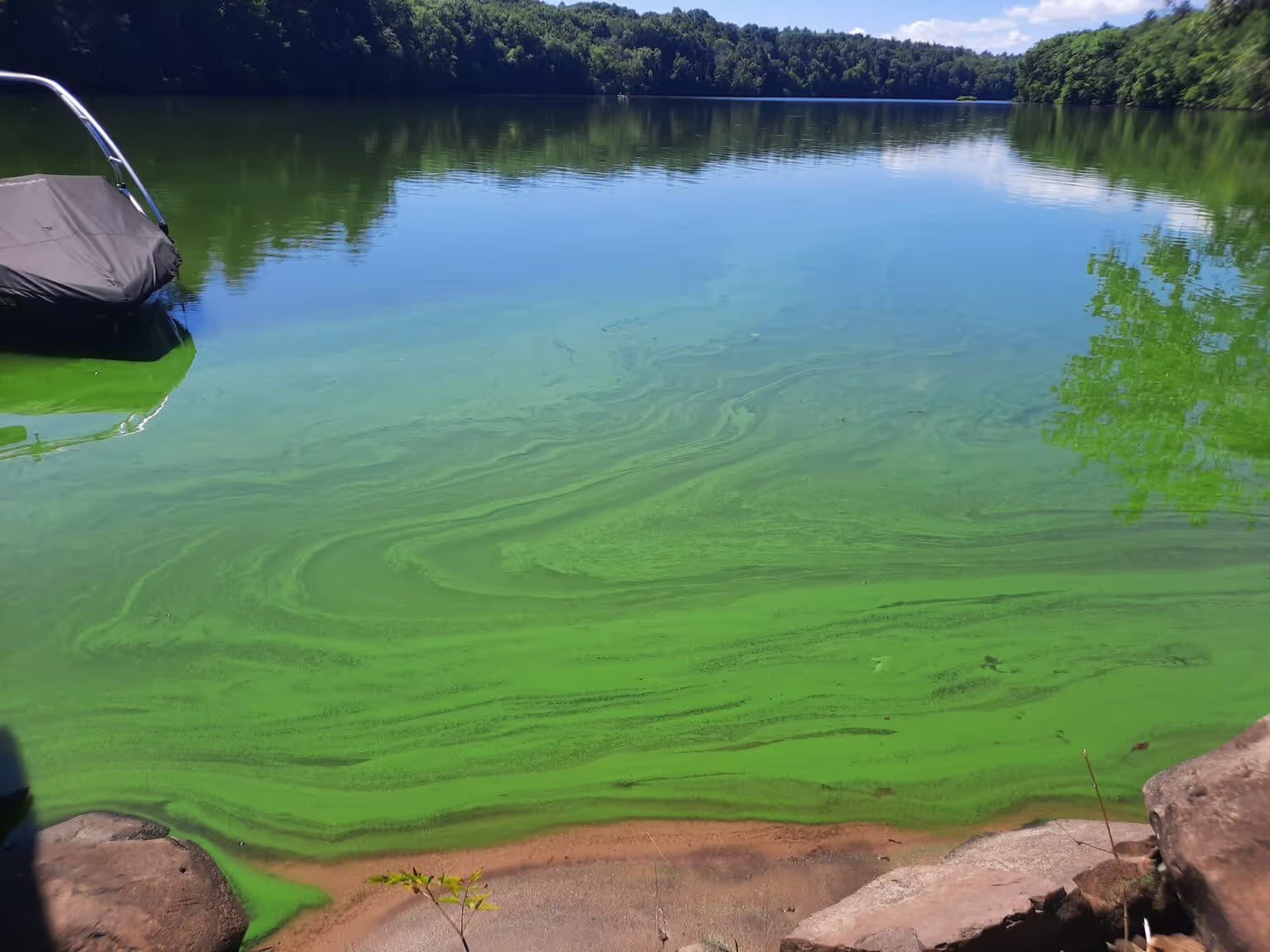
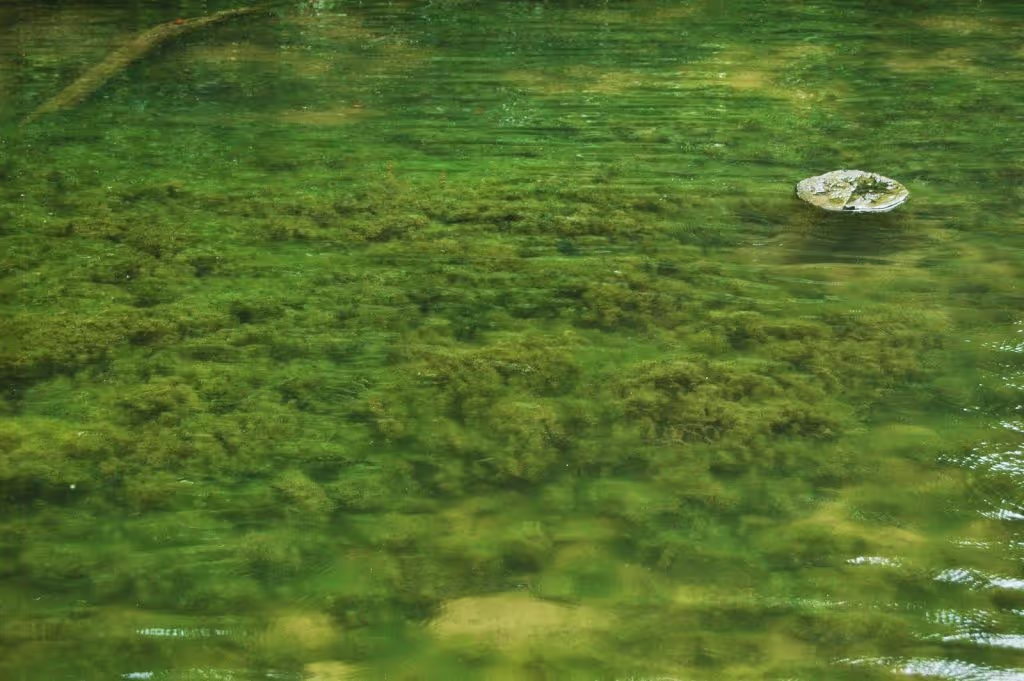
Chlorophyll signals algae growth in general, while phycocyanin is specific to a potentially toxic algae called cyanobacteria. Exposure to cyanobacteria blooms can have harmful effects on both animals and humans.
What it means for recreation:
- Visible blue-green water - avoid contact
- High phycocyanin readings - increased risk for people and pets
- Algal blooms can cause skin irritation and more severe health issues if ingested
Conductivity & Chloride: Signs of Pollution or Runoff
Conductivity and chloride levels reveal the presence of salts and dissolved ions—often linked to human activity like road salt or wastewater. In the summer, elevated levels could indicate pollution.
What it means for recreation:
- Sudden spikes - possible contamination events
- Sustained high chloride - potential ecological stress
fDOM: Detecting Organic Pollution
Fluorescent dissolved organic matter (fDOM) helps identify organic pollution from sources like stormwater runoff or wastewater.
What it means for recreation:
- High levels may indicate contamination after storms
- Useful for spotting changes following rainfall events
E. coli: Your Most Important Health Signal
E. coli is one of the most important indicators for recreational safety. Its presence suggests fecal contamination and the potential for harmful pathogens. Exposure can lead to gastrointestinal illness, skin infections, and other health risks.
What it means for recreation:
- High levels - avoid direct contact
- Moderate levels - use caution, especially for children or pets
- Low levels - generally safer conditions
Turning Data Into Action
Water quality data is most powerful when it informs behavior. Here’s how you can use it before heading out:
- Check Conditions Before You Go - Look at recent readings—especially E. coli, turbidity, and algal indicators.
- Be Cautious After Storms - Rain often increases stormwater runoff, which can carry bacteria, nutrients, and pollutants into waterways.
- Protect Vulnerable Groups- Children, pets, and immunocompromised individuals are more susceptible to waterborne risks.
- Trust Your Senses—But Verify With Data- If water looks murky, smells off, or has visible algae, check the data and err on the side of caution.
A Shared Responsibility
Responsible recreation isn’t just about personal safety—it’s about protecting the waterways we all depend on. By using water quality data:
- You reduce health risks
- You help prevent environmental damage
- You support a broader culture of stewardship
Every time you check water quality before going out on the water, you’re doing more than planning your day—you’re participating in a movement toward healthier waterways for our communities.