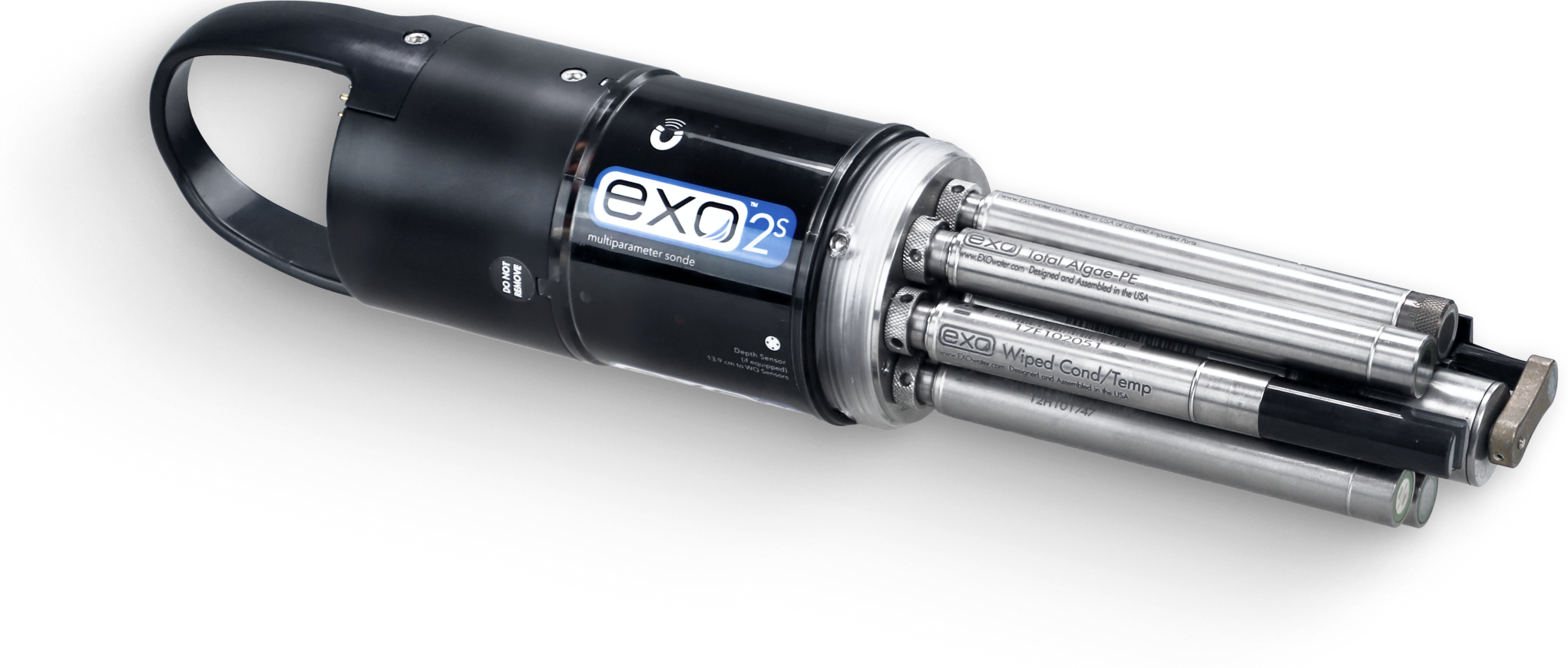
In designing the online data platform, we developed a process that would perform quality control (QC) tests to ensure the reliability of data collected by the EXO2S water quality sondes. All incoming sensor data are evaluated using industry‑standard Quality Assurance of Real‑Time Oceanographic Data (QARTOD) methods, which apply multiple, complementary checks to identify potential sensor errors, communication issues, or implausible environmental values.
The QC process begins with timing and gap tests to confirm data arrive at the expected 15‑minute interval without transmission errors. Spike tests then identify sudden, unrealistic jumps by comparing each measurement to surrounding values, with parameter‑specific thresholds based on published literature and expanded to reflect natural river variability. Additional checks include flat‑line tests that detect stuck sensors, rate‑of‑change tests to flag implausibly rapid shifts, and gross range tests that ensure values fall within physically reasonable limits for each parameter.
When you see that a sensor is purple and has an unusual reading label it is because the data has failed one of these quality control tests.
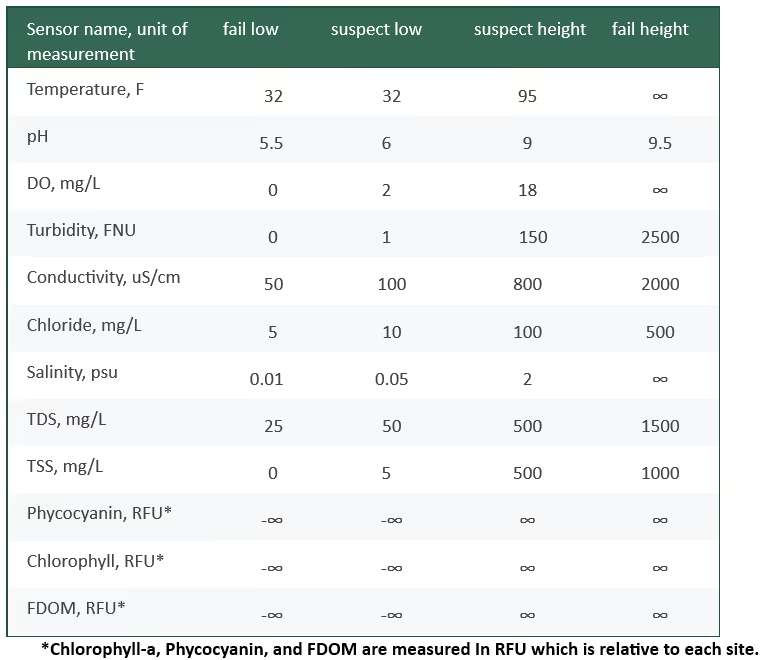
Gross range test: values should fall within the expected ranges below: