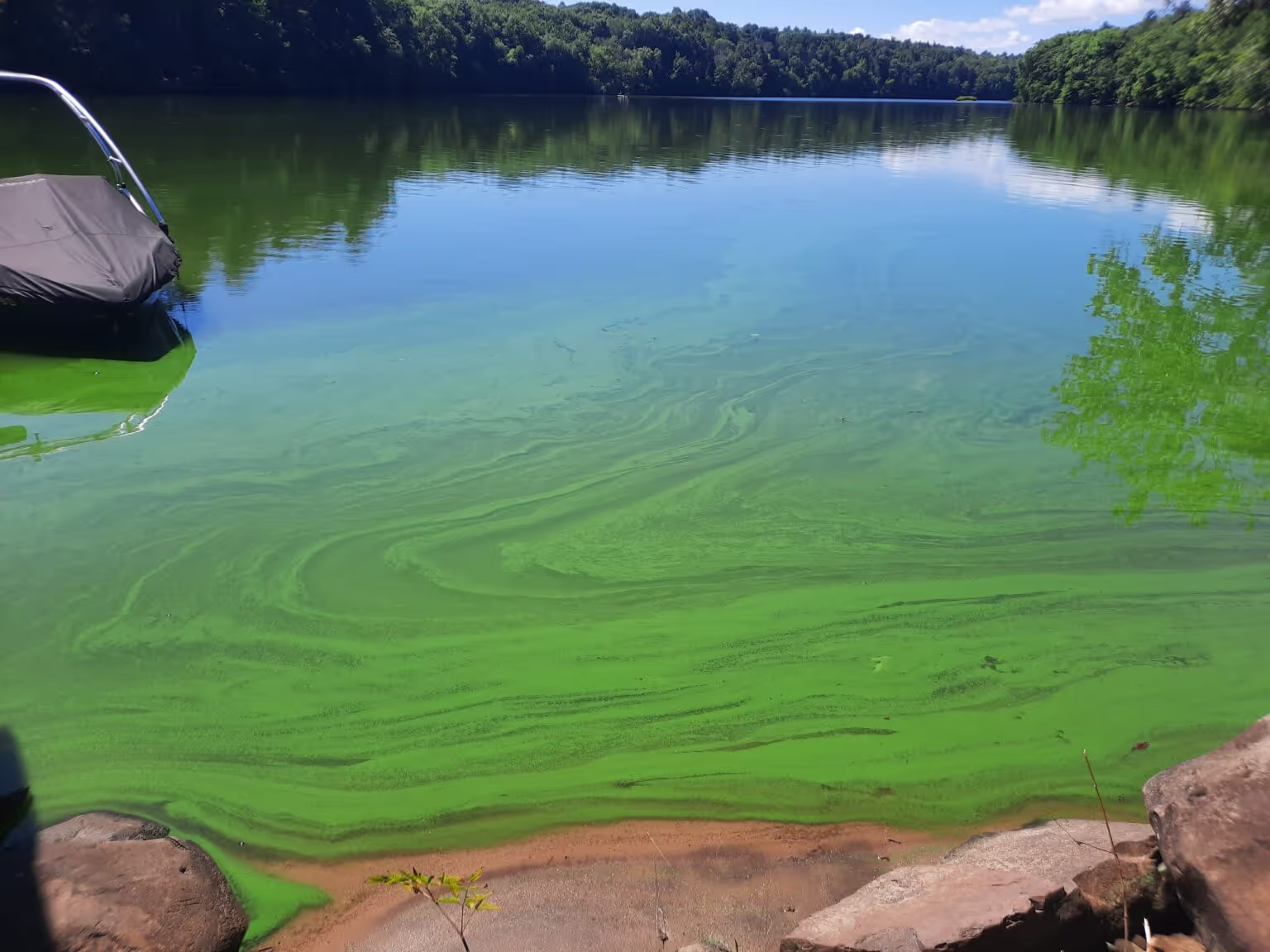
If you've ever seen a river or lake turn an eerie shade of green, blue-green, or even rusty red in late summer, you may have witnessed a harmful algal bloom — or HAB — in action. These events are becoming more frequent across the Potomac watershed, and understanding what causes them is the first step toward protecting yourself, your pets, and the rivers we all depend on.
What Are Algal Blooms?
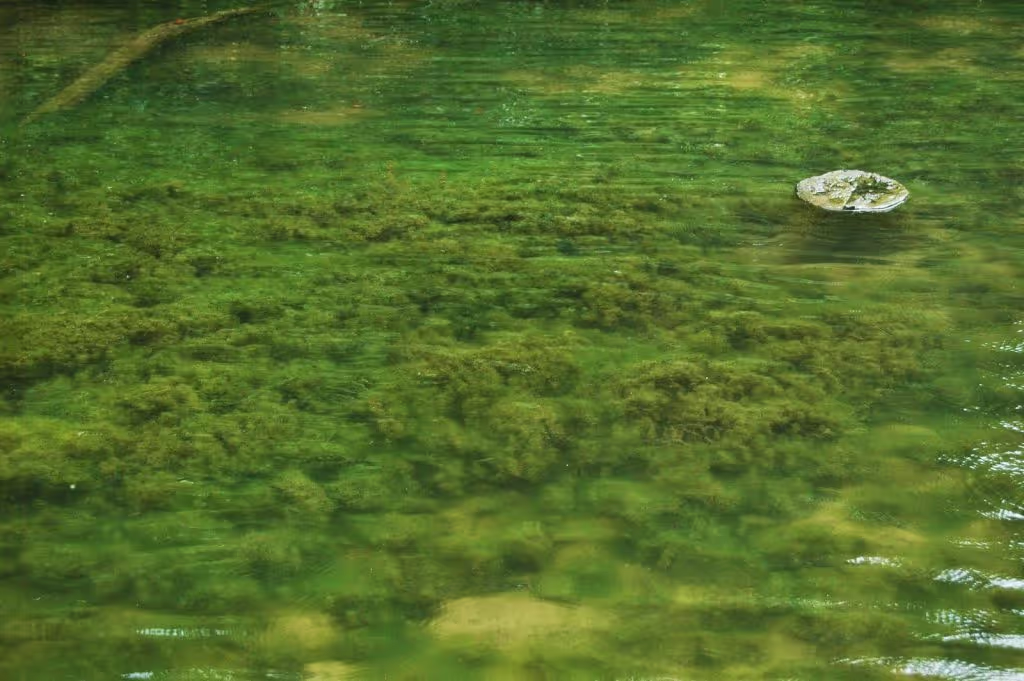
Algae are natural components of aquatic ecosystems. In healthy concentrations, they form the base of the food web, producing oxygen and feeding zooplankton, insects, and fish. The problem arises when conditions allow certain species - particularly cyanobacteria, also called blue-green algae- to rapidly reproduce. This can occur either as surface scum or a benthic mat.
Cyanobacteria are especially concerning because many species produce toxins called cyanotoxins. These compounds can cause serious health effects in humans and animals, including skin rashes, gastrointestinal illness, liver damage, and in severe cases of exposure, neurological symptoms. Dogs are particularly vulnerable because they tend to drink directly from shorelines where bloom material concentrates.
What Triggers a Bloom?
HABs don't appear randomly. They are driven by a combination of environmental conditions that, when aligned, create ideal growing conditions for cyanobacteria:
- Excess nutrients. Nitrogen and phosphorus — primarily from agricultural runoff, stormwater, lawn fertilizers, and wastewater — act as fuel for algal growth. When nutrient concentrations in a river or reservoir rise above natural background levels, the stage is set for a bloom.
- Warm water temperatures. Cyanobacteria thrive in warmwater, typically above 75°F (24°C). The long, hot summers characteristic of the mid-Atlantic region create prime conditions from July through September.
- Low flow and calm conditions. Slow-moving or still water allows cyanobacteria to float upward and accumulate at the surface. In rivers like the Shenandoah and Potomac, late-summer low flows — when water moves slowly and the river warms quickly — are the highest-risk periods.
Why Is This Getting Worse?
HAB frequency and intensity have increased in the Potomac watershed over recent decades, driven by a combination of factors: continued nutrient loading from the landscape, warmer average air and water temperatures linked to climate change, and longer summer low-flow periods. In the North Fork of the Shenandoah River — a major tributary to the Potomac — late-summer blooms of Microcystis and other cyanobacteria have become an expected seasonal occurrence.
Why Should I Care?
Beyond the obvious public health concerns, harmful algal blooms have wide-reaching ecological and economic consequences. Dense blooms block sunlight from submerged aquatic vegetation, reducing habitat for fish and invertebrates. When a bloom dies and decomposes, bacterial decomposition consumes oxygen, driving dissolved oxygen levels to near zero. Toxins also accumulate in shellfish and can move up the food chain.
For communities this creates expensive treatment challenges. For anglers, kayakers, swimmers, and waterfront property owners, they represent a direct disruption to the way people use and enjoy these rivers.
What Do We Do?
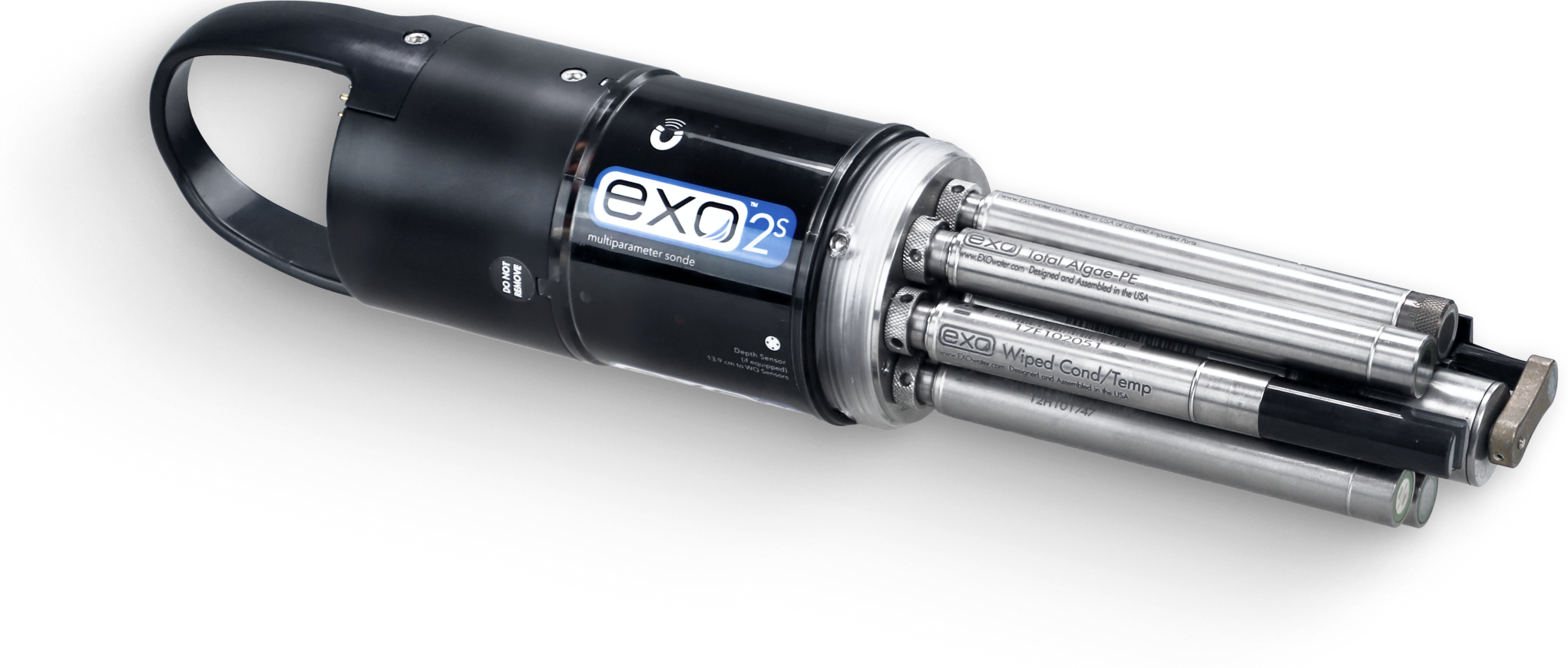
Monitoring is one of our most powerful tools. Continuous water quality sensors allow us to detect early signs of bloom development, helping keep the public safer. These sensors continuously measure phycocyanin—a pigment unique to cyanobacteria—as well as chlorophyll-a, which represents total algal biomass. Together, these measurements help us understand both harmful cyanobacterialevels and overall algae presence in the water.