



From Impact to Action
The impact of human activity
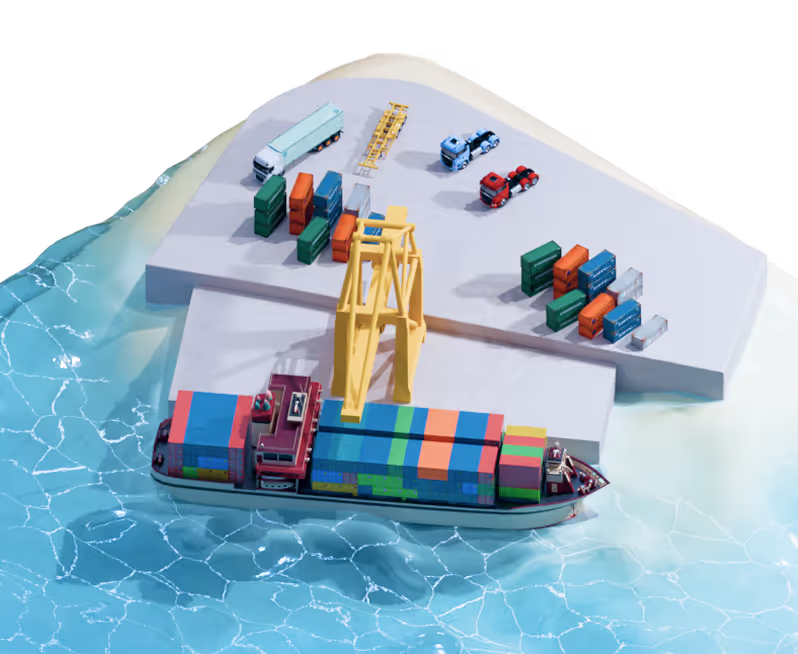
Urban development and transportation impact water quality through runoff, erosion, and pollution — understanding this link helps protect river health.
Insights from water monitoring
Regular water quality monitoring shows how weather, seasons, and human activity affect rivers.
A vision for the future
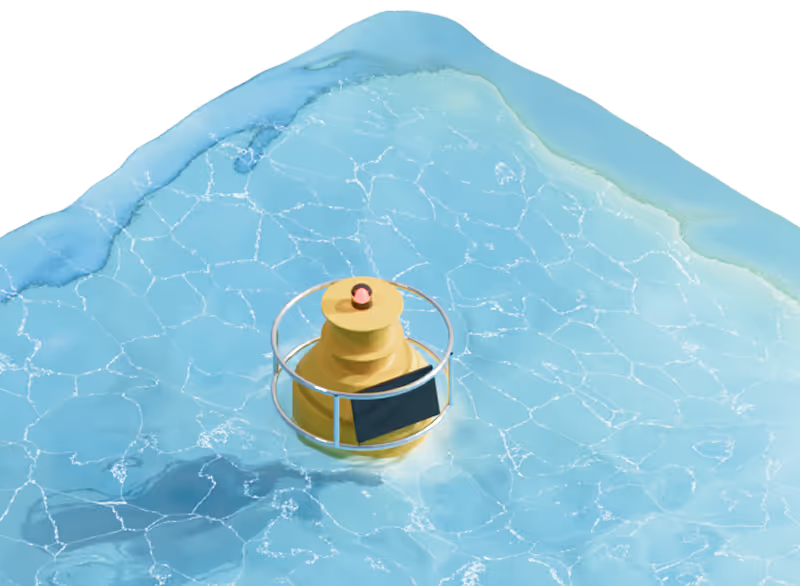
Real-time and long-term data help us respond to environmental challenges and make informed decisions with a goal of swimmable and fishable rivers.


Understanding the Data
pH
What is pH
pH measures how acidic or basic the water is. Most aquatic organisms thrive in a pH range of about 6.5–8.5, when the water is out of this range fish and other aquatic organisms are negatively affected.
What pH levels tell us
Extreme pH levels can harm fish and invertebrates, affect nutrient availability, and increase toxicity of certain compounds (like ammonia).
What causes pH changes
Dissolved oxygen (DO)
What is DO
Dissolved oxygen shows how much oxygen is available in the water for fish and other aquatic life to survive. It is essential because aquatic animals and microbes need it to breathe.
What DO levels tell us
Low DO often indicates pollution, organic matter decomposition, stagnant water or warmer water temperatures. High DO usually signals good aeration and healthy ecosystems.
What causes DO changes
Conductivity
What is conductivity
Conductivity reflects the concentration of dissolved ions (salts, minerals).
What conductivity levels tell us
Sudden changes can indicate pollution (e.g., industrial discharge, road salt runoff). Stable conductivity suggests balanced ionic composition.
What causes conductivity changes
Water temperature
What is water temperature
Temperature influences the metabolism of aquatic organisms, oxygen solubility, and species distribution.
What water temperature levels tell us
Warmer water holds less oxygen and can stress aquatic life. It also accelerates algal growth and chemical reactions.
What causes water temperature changes
Chloride
What is chloride
Chloride levels indicate the presence of salts in the water, which can affect freshwater species and overall water quality.
What chloride levels tell us
High chloride levels can harm aquatic life, alter how water moves across a fish’s gills and indicates human impacts on the watershed.
What causes chloride changes
Chlorophyll
What is chlorophyll
Chlorophyll concentration is a proxy for algal biomass.
What chlorophyll levels tell us
Excessive algae can choke out aquatic life by blocking sunlight, depleting oxygen upon its death, and in some cases releasing toxins into the water.
What causes chlorophyll changes
Blue - Green Algae pigment (Phycocyanin)
What is phycocyanin
Phycocyanin is a pigment found in cyanobacteria (blue–green algae). Measuring phycocyanin helps detect the presence and concentration of potentially harmful algal blooms in the water.
What phycocyanin levels tell us
Elevated phycocyanin levels can indicate increasing cyanobacteria activity and a higher risk of harmful algal blooms. These blooms may produce toxins that affect aquatic life, pets, and human health.
What causes phycocyanin changes
Turbidity
What is turbidity
Turbidity measures water clarity, influenced by suspended particles like silt, algae, or organic matter. The closer the number is to 0 the clearer the water is.
What turbidity levels tell us
High turbidity reduces light penetration, affecting photosynthesis, and can clog fish gills or smother benthic habitats.
What causes turbidity changes
Fluorescent dissolved organic matter (fDOM)
What is fDOM
fDOM measures the amount of dissolved organic material in the water that fluoresces under UV light. It often reflects natural organic matter like plant decay, as well as potential contamination from wastewater or runoff.
What fDOM levels tell us
Elevated fDOM levels can indicate increased organic pollution, including wastewater inputs or stormwater runoff. Changes over time may reflect shifts in ecosystem activity or contamination events.
What causes fDOM changes
E.coli
What is E.coli
Escherichia coli (E. coli) is a type of bacteria commonly found in the intestines of humans and warm-blooded animals. While most strains are harmless, the presence of E. coli in freshwater is an important indicator of fecal contamination and signals the potential presence of harmful pathogens such as viruses, parasites, and other bacteria that can cause illness in humans and wildlife.
What E.coli levels tell us
High concentrations of E. coli suggest that untreated sewage, agricultural runoff, or wildlife waste has entered the water system. This contamination can pose serious public health risks, including gastrointestinal illnesses, skin infections, and other waterborne diseases, especially for people swimming, fishing, or boating on the water. Persistent contamination can degrade water quality, reduce biodiversity, and impair the overall health of the watershed.