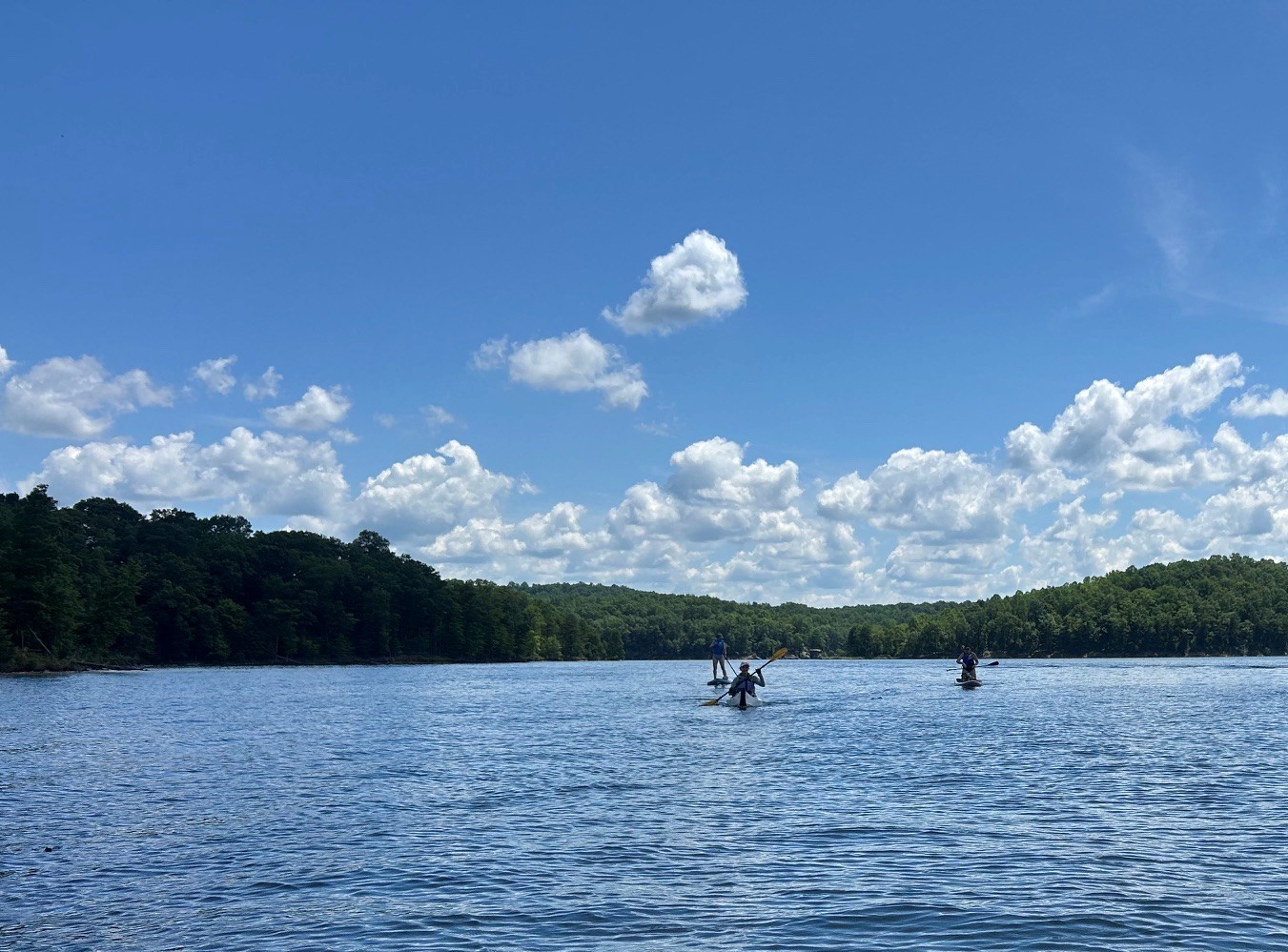
Not every discolored patch of water is a harmful algal bloom, and not every bloom produces toxins. But when you're on or near the water, knowing what to look for can help protect your health and your pets.
What Does a Bloom Look Like?
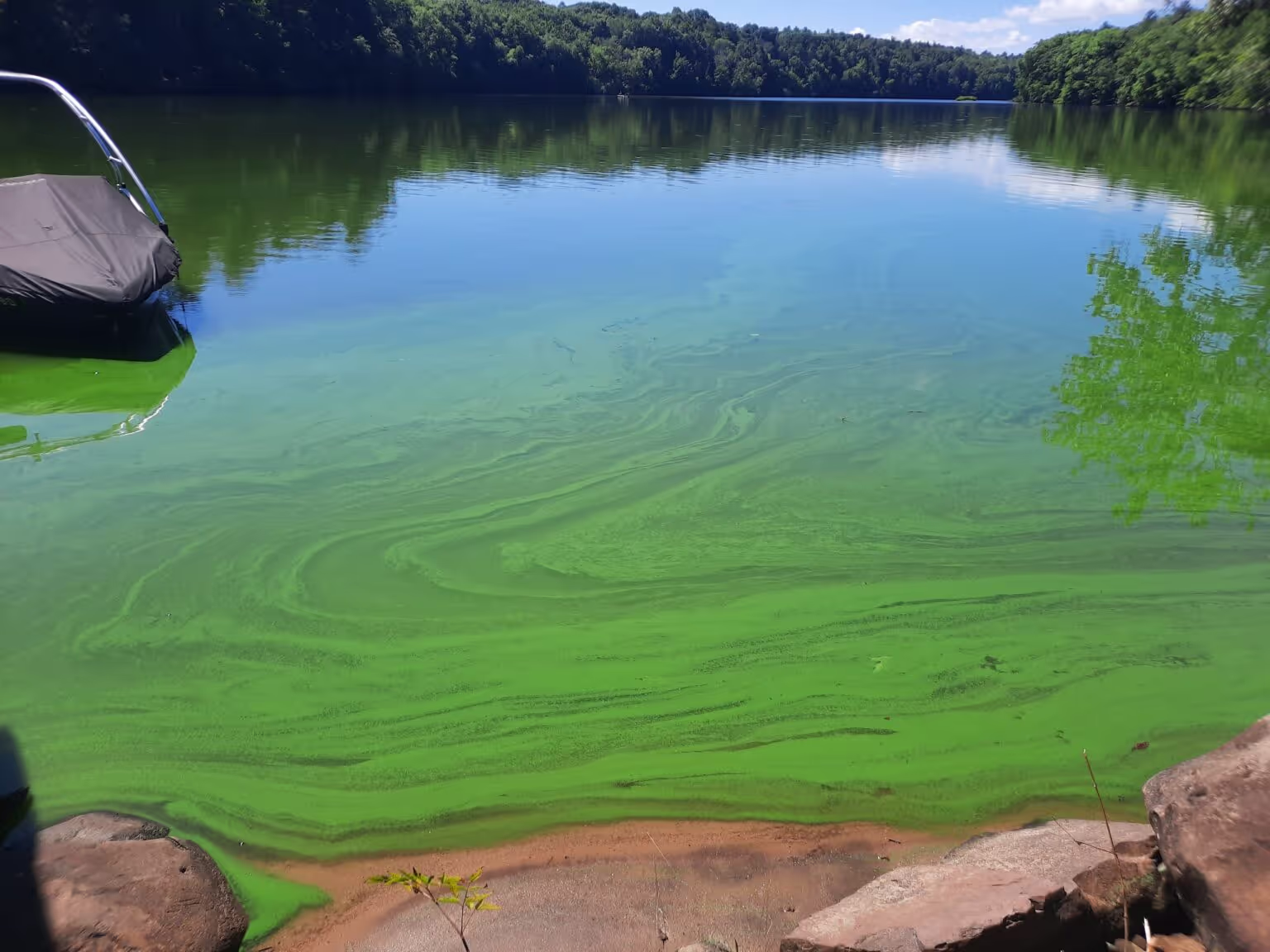
Cyanobacterial blooms are highly variable in appearance and can change rapidly with wind, temperature, and time of day. Common visual signsinclude:
- Green or blue-green water.The most classic indicator. Water may appear pea-green, teal, or turquoise,sometimes with a metallic sheen.
- Surface scums and mats.Blooms often concentrate at the surface, forming streaks, clumps, or thickpaint-like layers along shorelines and in calm coves. Scums can be blue-green,white, brown, or even orange depending on the species and their condition.
- Foam or froth. Wind-drivenaccumulation of bloom material along the downwind shore can create foamy,scum-like deposits.
- Grassy or earthy odors. Manycyanobacteria produce compounds that give affected water a musty, swampy, orgrass-like smell. A strong, unpleasant odor near the shoreline is a red flag.
What Does a Bloom NOT Look Like?
Healthy algae and aquatic plants can sometimes be mistaken for blooms. A few useful distinctions:
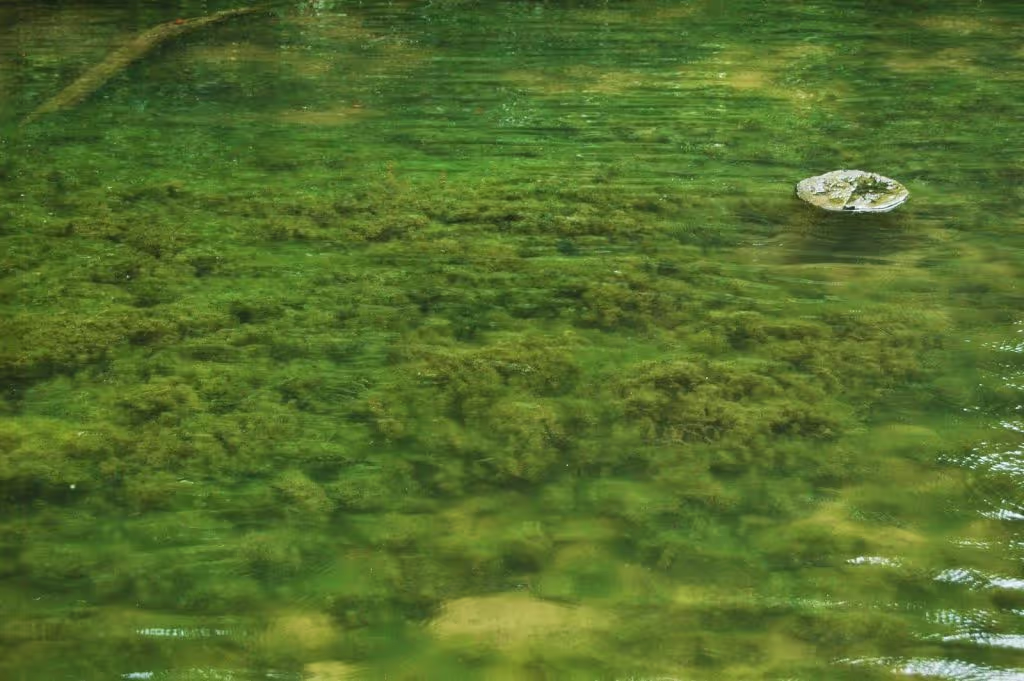
- Filamentous algae the stringy, bright green "pond scum" that grows on rocks and in shallow water is generally not cyanobacteria and is unlikely to be toxic. It tends to stay attached or clump in masses rather than dispersing through the water.
- Suspended sediment after rain events can turn water brown or reddish-brown. This is not a bloom.
- Aquatic plants like waterweed or milfoil may make water appear green from a distance but are rooted and visible underwater.
How to Protect Yourself and Your Pets
Before you go: Checkavailable monitoring data and any posted advisories for your specific waterway. State health departments in Virginia, Maryland, and West Virginia periodicallyissue bloom advisories for waterways in the Potomac watershed.
On the water
- Avoid swimming, wading, or paddling through visibly discolored water or surface scums.
- Do not let dogs drink from or swim through bloom-affected areas. Dogs are highly susceptible to cyanotoxin poisoning and may not show symptoms until hours later.
- Rinse off with clean water if you come into contact with potentially affected water.
- Do not eat fish caught from actively blooming water, especially the liver, kidneys, or other organs where toxins accumulate.
After contact:
- Symptoms of cyanotoxin exposure in humans include skin rash or irritation, stomach cramps, nausea, vomiting, sore throat, and headache. Seek medical attention if symptoms develop after water contact.
- If a dog develops vomiting, disorientation, excessive drooling, seizures, or difficulty breathing after water exposure, contact a veterinarian immediately. Time is critical.
A Note on Toxin Testing
Visual inspection alone cannotconfirm whether a bloom is producing toxins. Cyanobacterial blooms can be toxiceven when they don't look particularly severe, and conversely some dense bloomsproduce little to no toxin. The only way to know for certain is laboratorytesting.